
Benzene is a carcinogenic substance that can cause leukaemia. There is no safe threshold for benzene: any exposure carries a risk. Because workers are mainly exposed through inhalation, the government has decided to lower the legal exposure limit further to a maximum of 0.2 ppm, or 2 particles per 10 million air particles (this limit was already halved in 2023).
Benzene has already been banned from household products, but it is still found in petrol, exhaust fumes and cigarette smoke. In industry, benzene is also used in the production of synthetic fibres, rubber and dyes, among other things. As a result, it may be present as an impurity in goods, especially when they come from less strictly regulated countries.
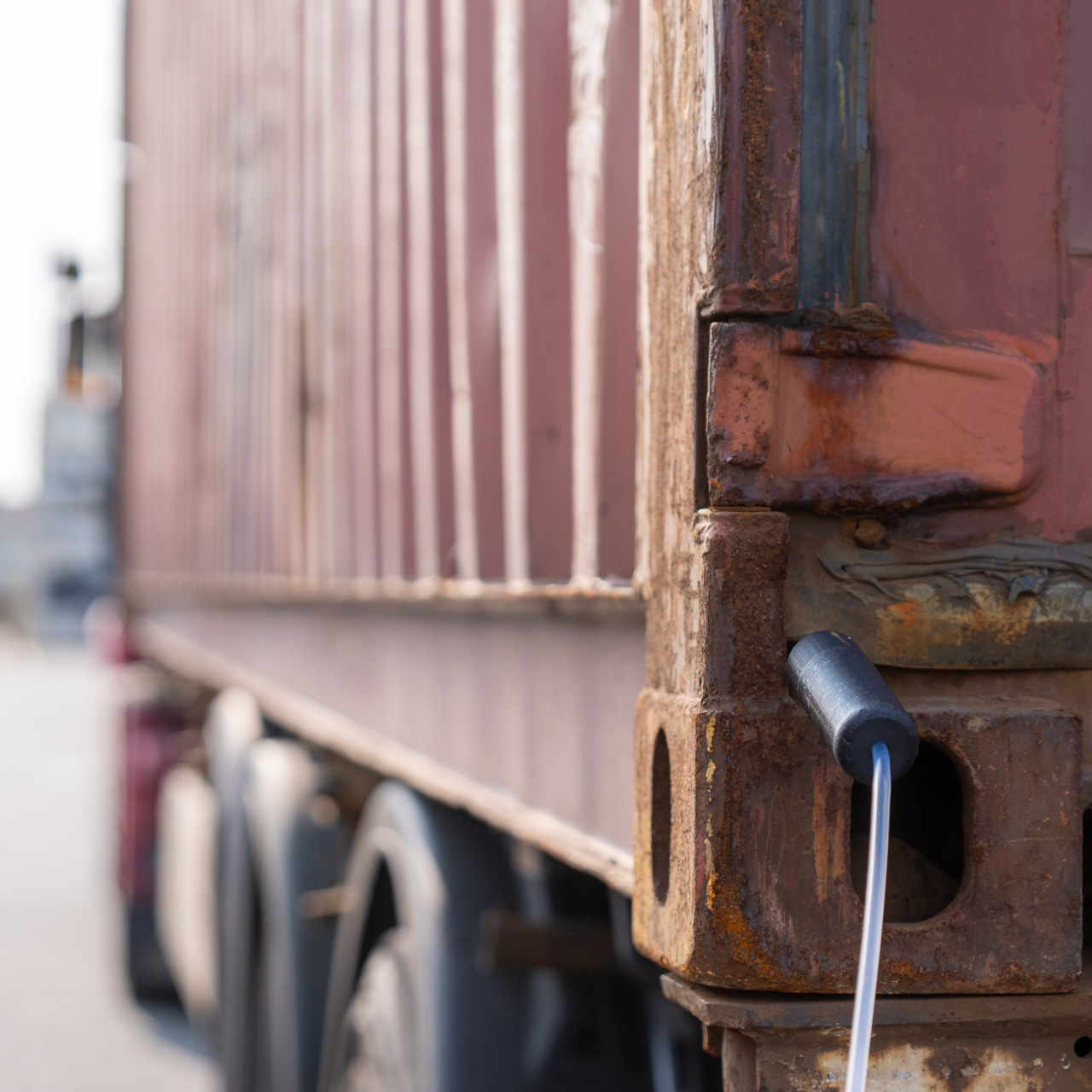
A recent screening of 134 containers at the Antwerp border inspection posts showed that 10% contained benzene. That is why a reliable benzene measurement is indispensable when carrying out gas measurements on sea containers.
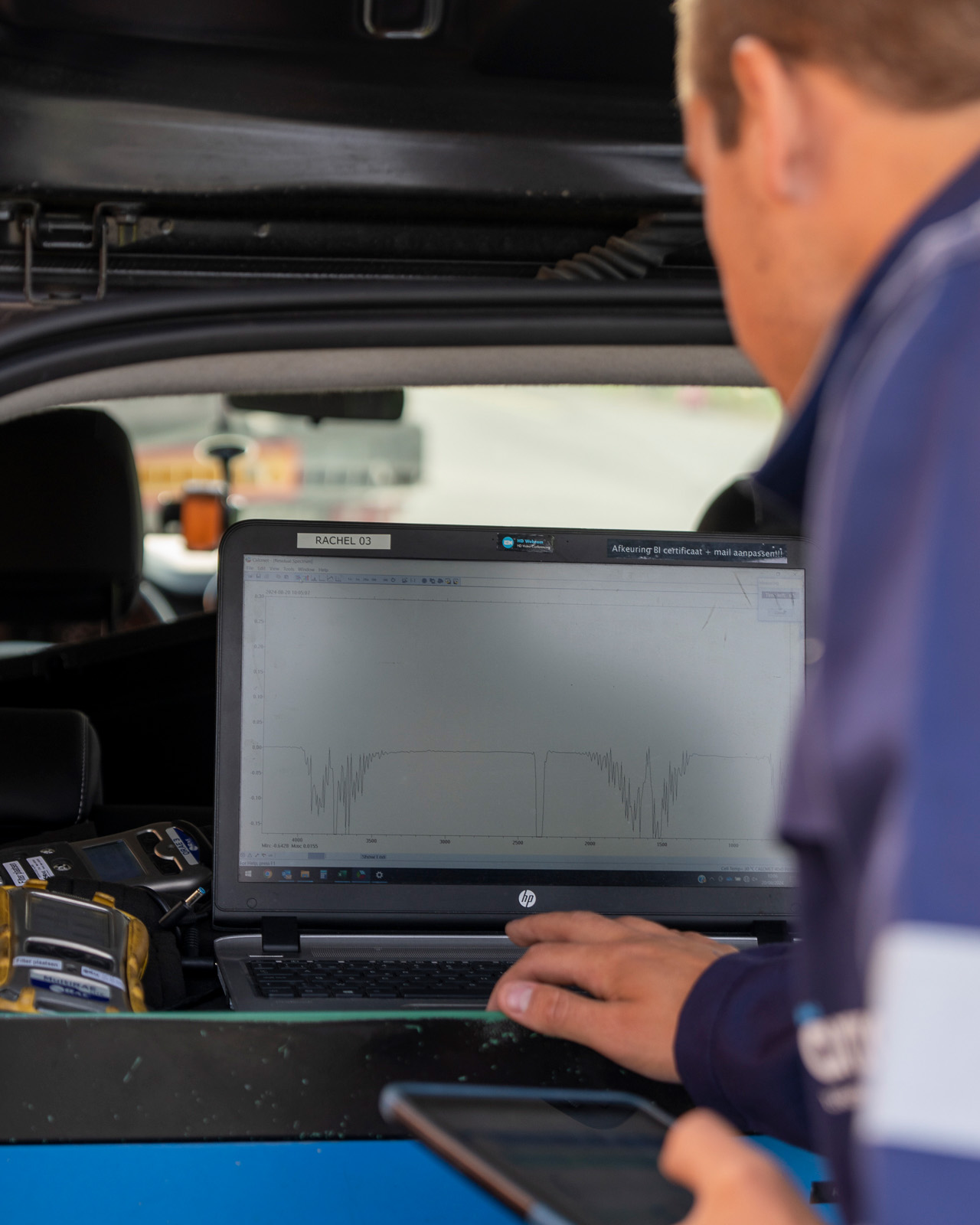
Because of the tightened legal limit, the detection limit of the classic measurement method is higher than the permitted exposure. In other words, the classic measurement can no longer rule out the presence of too much benzene. That is why a more sensitive, specific benzene measurement must now be carried out on every container.
Benzene has already been banned from household products, but it is still found in petrol, exhaust fumes and cigarette smoke. In industry, benzene is also used in the production of synthetic fibres, rubber and dyes, among other things. As a result, it may be present as an impurity in goods, especially when they come from less strictly regulated countries.
A recent screening of 134 containers at the Antwerp border inspection posts showed that 10% contained benzene. That is why a reliable benzene measurement is indispensable when carrying out gas measurements on sea containers.
Because of the tightened legal limit, the detection limit of the classic measurement method is higher than the permitted exposure. In other words, the classic measurement can no longer rule out the presence of too much benzene. That is why a more sensitive, specific benzene measurement must now be carried out on every container.
The choice of sensitive field measurement techniques for benzene is limited. The best-known solution is relatively expensive and is actually intended as a confirmation measurement after an earlier positive indication.
Because the new legislation requires this sensitive measurement to be carried out with every gas measurement, Arizo validated a new measurement procedure in 2025 that:
Thanks to this new method, the cost is roughly three times lower than with the well-known solution. This allows us to absorb the impact of the stricter regulations without compromising on safety or quality.
The choice of sensitive field measurement techniques for benzene is limited. The best-known solution is relatively expensive and is actually intended as a confirmation measurement after an earlier positive indication.
Because the new legislation requires this sensitive measurement to be carried out with every gas measurement, Arizo validated a new measurement procedure in 2025 that:
Thanks to this new method, the cost is roughly three times lower than with the well-known solution. This allows us to absorb the impact of the stricter regulations without compromising on safety or quality.
The rate increase for 2026 is the direct result of the stricter legislation on benzene. However, we actively sought the most cost-efficient measurement method and thus kept the increase in rates as limited as possible.