
On 19 August 2025, the Dutch Safety Board (OVV) published a critical report on the tank cleaning industry. It was prompted by a serious incident in Moerdijk in 2022, in which a cloud of toxic acids was released and eleven people were injured. The report exposes pain points that are relevant not only to tank cleaners, but to anyone who comes into contact with hazardous substances at work.
Tank cleaners are often called the “dishwasher of the chemical industry”. Every day, they clean tanks that have contained large quantities of hazardous substances. The risks for workers, local residents and the environment are enormous. Yet research shows that companies do not always comply with existing regulations.
Employees are mainly trained for common cleaning jobs, but little or not at all for exceptional jobs involving hazardous chemical products. Precisely because these situations occur less often, cleaners have little practical experience with them. That is exactly when the risk of incidents is greatest. This was also the case in Moerdijk, where cleaning a tank containing phosphorus trichloride resulted in a dangerous reaction due to contact with water.
The dangers are not limited to major incidents such as the one in Moerdijk. There are often insidious risks too, such as exposure to carcinogenic substances, a lack of adequate personal protective equipment and discharges of chemicals into the environment. In the long term, this can have serious consequences for health and for our living environment.
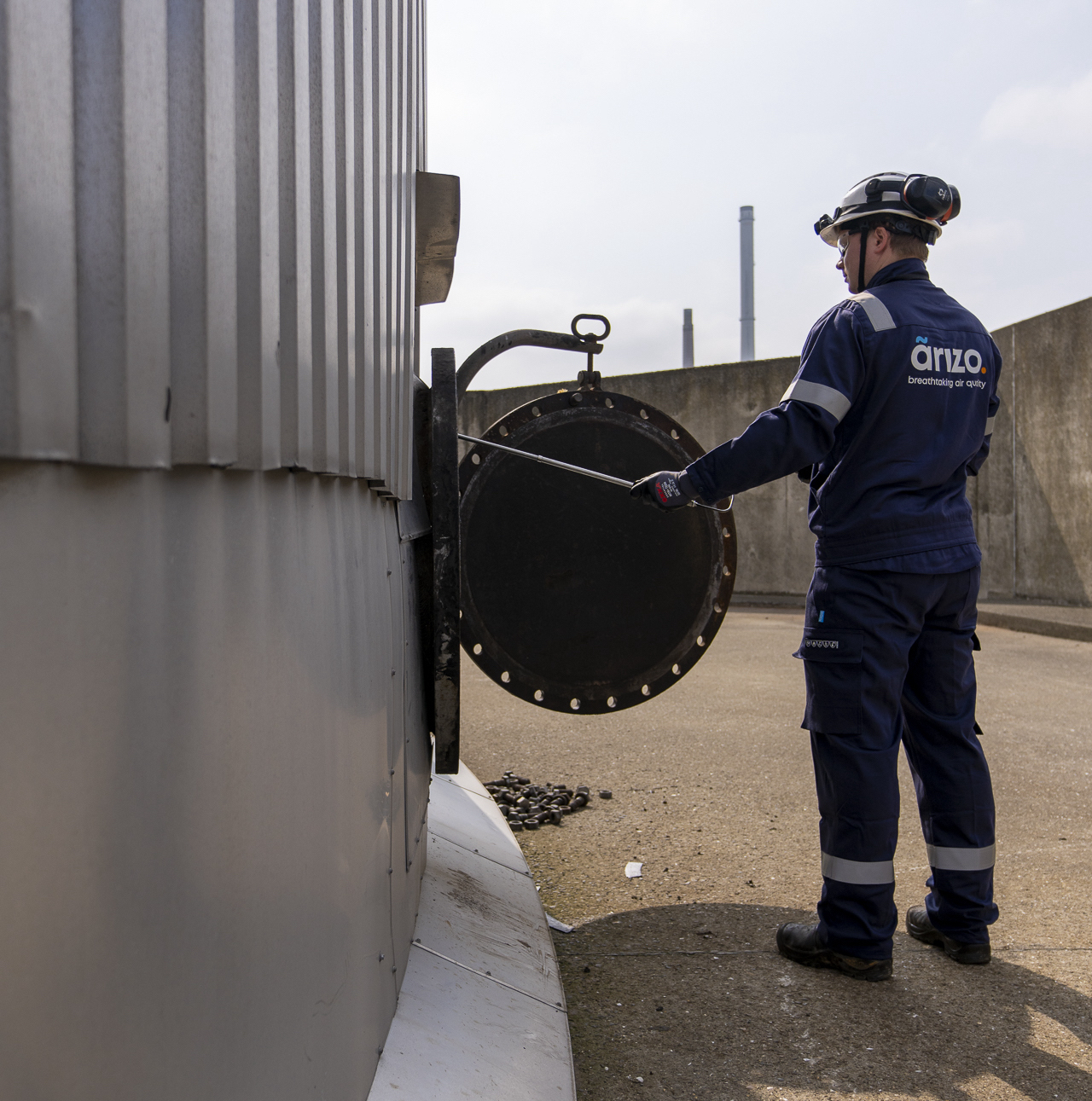
The OVV (Dutch Safety Board) stresses that safe working must not depend on the memory or behaviour of individual employees. There must be clear working agreements and control mechanisms. Independent monitoring plays a crucial role in this. Measurements by specialised companies such as Arizo help to map risks, quantify exposure and support preventive measures.
The dangers are not limited to major incidents such as the one in Moerdijk. There are often insidious risks too, such as exposure to carcinogenic substances, a lack of adequate personal protective equipment and discharges of chemicals into the environment. In the long term, this can have serious consequences for health and for our living environment.
The OVV (Dutch Safety Board) stresses that safe working must not depend on the memory or behaviour of individual employees. There must be clear working agreements and control mechanisms. Independent monitoring plays a crucial role in this. Measurements by specialised companies such as Arizo help to map risks, quantify exposure and support preventive measures.
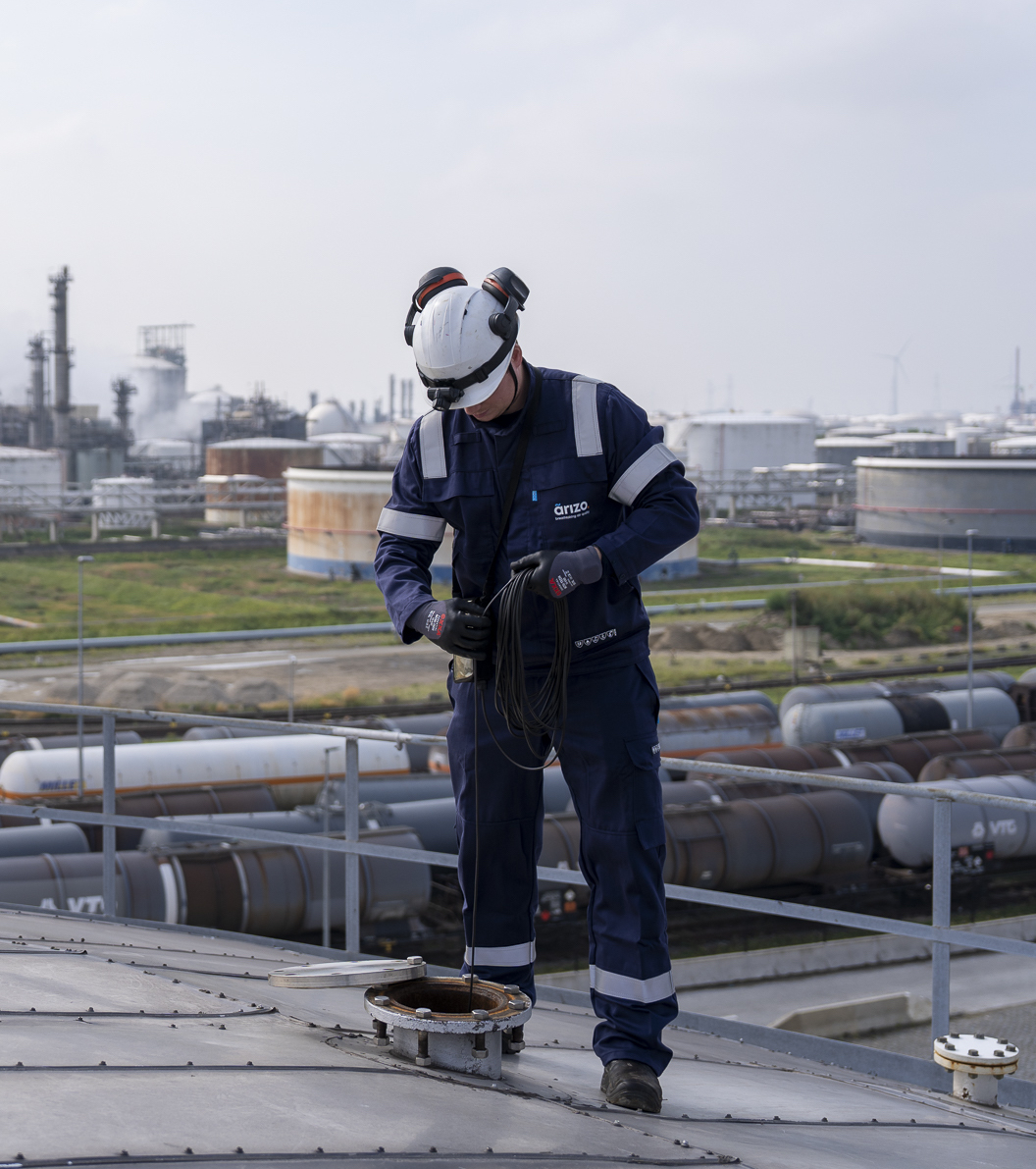
Chemical exposure is often invisible, but it can be measured. Arizo has the knowledge, experience and equipment to carry out reliable measurements. By objectively determining exposure levels, companies can:
The investigation board’s report shows that vigilance when handling hazardous substances is not a luxury but a necessity. Independent measurements are not a superfluous step, but an essential part of responsible business.
Chemical exposure is often invisible, but it can be measured. Arizo has the knowledge, experience and equipment to carry out reliable measurements. By objectively determining exposure levels, companies can:
The investigation board’s report shows that vigilance when handling hazardous substances is not a luxury but a necessity. Independent measurements are not a superfluous step, but an essential part of responsible business.